Monday, 13 April 2020


VAGAL INDIGESTION -ATROPINE TEST


PAPPLE SHAPED ABDOMEN 


PROCEDURE

  •  INJ.Atropine Sulphate  30 mg SC or 0.06mg/kg SC route    
  • A rise in heart rate of more than 15 to 20 beats per minute is suggestive of  VAGAL INDIGESTION

  • FOR EXAMPLE:  
  •        A cow suspected of Vagal Indigestion is having Heart rate of about 45/minute means......After administration of Atropine in SC route in ten to 15 minutes we have to auscultate again..It will be around 60 to 65 beats per minute. 

NOTE: The Atropine test is not much useful in all cases of Vagal Indigestion. Because only few   
             cases will have Bradycardia.If there is complications of Peritonitis or advanced stages of
            vagal indigestion or dehydration or severe distension of rumen, the animal will have 
            Tachycardia.

¢In normal animals without vagal indigestion means if atropine is administered there will be steep increase in hear rate. Tachycardia will be observed


Reference: Large Animal Internal Medicine - By Bradford P. Smith

                       Clinical Examination of Farm Animals by Peter Jackson and Peter Cockfret


Saturday, 2 November 2019

Disinfectant for PPR virus

   Peste des petits ruminant virus (PPRV) in Goats and Sheep

Family Paramyxoviridae, genus Morbillivirus

Disinfectant - Alcohol, Ether and common detergents2% Sodium hydroxide and contact for 24 hrs
 

Disinfectant for FMD virus


1)  2% Sodium hydroxide

2)  4% Sodium Carbonate 

3)  0.2% Citric acid 

4)  2% Acetic acid 

5)  3% Sodium hypochlorite (Don't add  water to sodium hypochlorite . Sodium 

     hypochlorite (concentrated household bleach)

6)  Potassium peroxymonosulfate/sodium chloride (1%) ( inactivate canine parvo 

     virus and feline calicvirus. Its bactricidal and virucidal including non 

     enveloped viruses..After preparation the solution  is stable for 7 days. Contact 

     time 15 minutes.


      FMD virus is resistant to Quaternary ammonium compounds Iodophores and Phenol


Tuesday, 6 August 2019

Tetanus and its Treatment


Treatment for Tetanus

 Inj. Penicillin 40000 to 60000 iu/kg  IM 24 hrly

Inj. Metronidazole 15 mg /kg IV

Muscle relaxants/sedation (Horses)

Chlorpromazine - 0.4 to 0.8 mg/kg IV or 1 mg/kg IM 


Acepromazine-  0.05 mg/kg 3 to 4 times a day 

Combination of Diazepam 0.10.4 mg/kg & xylazine 0.51.0 mg/kg,IV or IM

Muscle relaxation in cattle 
10% Magnesium sulphate 200 ml SQ

Sedation cattle

Diazepam   0.5–1.5 mg/kg IV or IM
Xylazine  0.05–0.15 mg/kg IV or 0.1–0.3 mg/kg IM

 Sheep

Acepromazine (0.05–0.1 mg/kg IV or IM every 6–8 hrs 
Diazepam (0.2–0.5 mg/kg IV or IM every 6–8 hrs 


Sunday, 4 August 2019


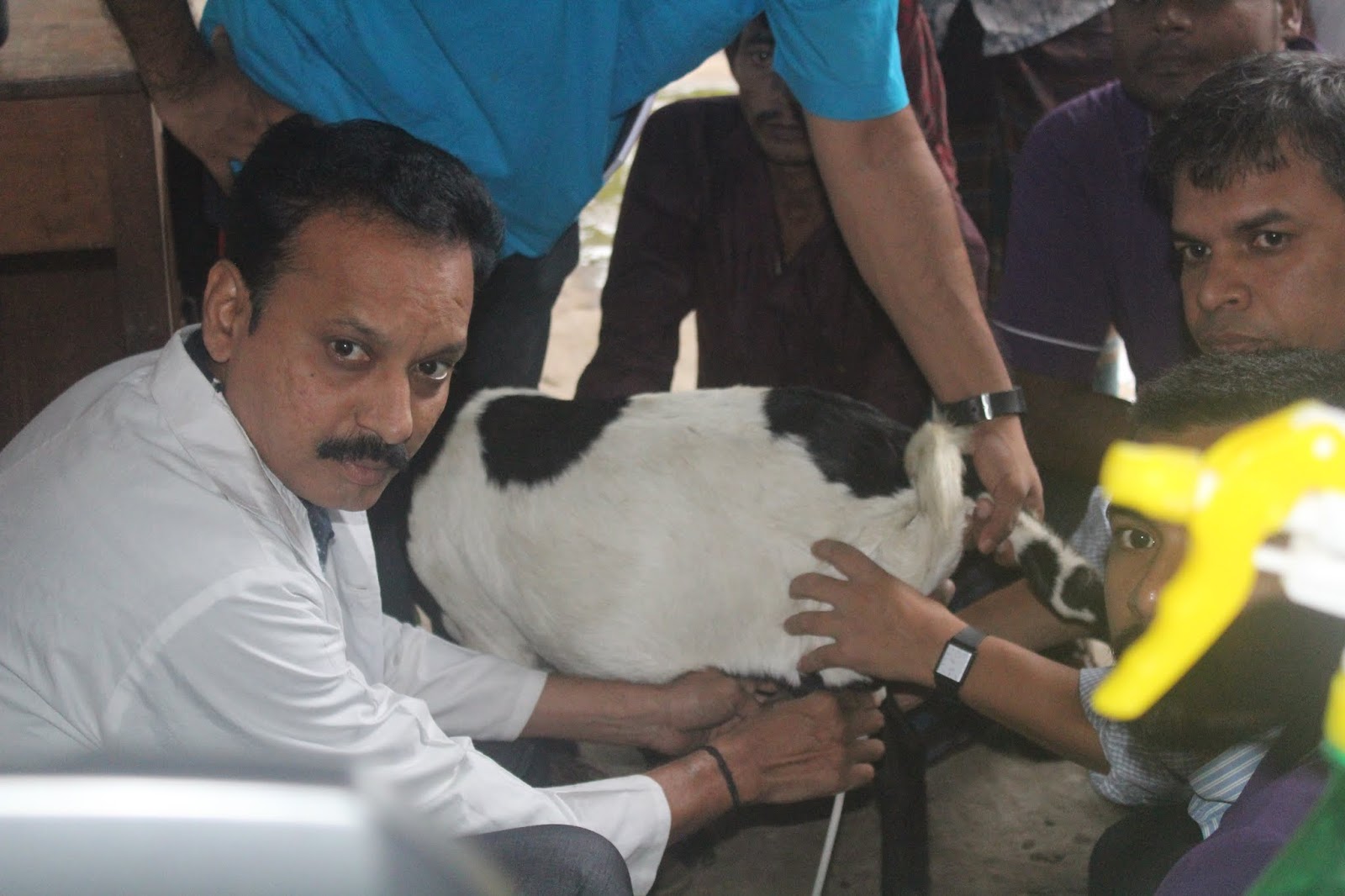
Ultrasound Training for Large Animal Practitioners of Bangladesh with Prof Mizanur Rahman


Use of Micro microscope in field for evaluation of Rumen fluid Protozoa


Wednesday, 24 July 2019


Gastrocnemius muscle rupture in cow


PENTA SULPHATE MIXTURE FOR DEGNALA DISEASE

Magnesium sulphate- 100 gm
     Ferrous sulphate-   160 gm 
Copper sulphate -25 gm 
Zinc sulphate-75 gm
 cobalt sulphate-10 gm
MIX TOGETHER AND ADMINISTER
  @ 30 g orally daily for two weeks